Phone Identity Records: 7252934853, 8326851387, 5593355226, 651024794, 3852223520, 8443018724, 8003151907, 833-839-4140, 9122963013 & 936191442

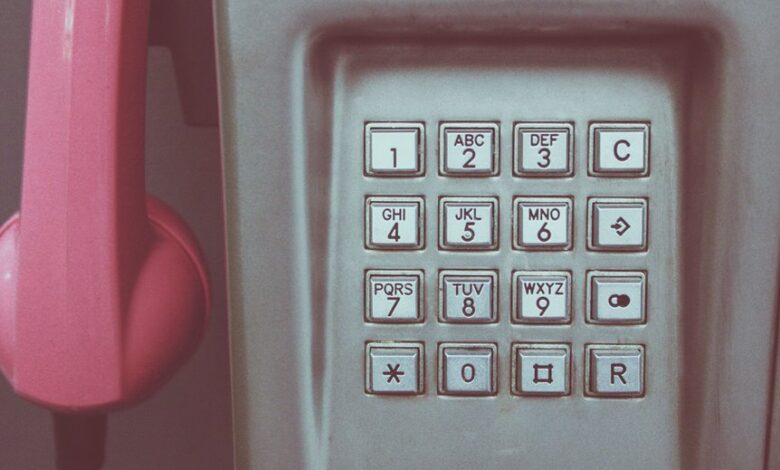
Phone Identity Records link numbers to owners, devices, and usage patterns while preserving privacy safeguards. This overview considers provenance, verification, and auditable access, emphasizing data minimization and source cross-checks. The listed numbers illustrate how ownership signals, service associations, and legitimacy checks can be established without exposing private conversations. Practical questions remain about governance, consent, and enforcement, inviting careful consideration of ethical and legal boundaries as the topic unfolds.
What Are Phone Identity Records and Why They Matter
Phone identity records are compiled data sets that link telephone numbers to identifying information about the account holder and the device in use.
They reflect data provenance and governance practices guiding accuracy, traceability, and accountability.
Proper privacy safeguards limit exposure, while verification methods confirm legitimacy.
For freedom-minded stakeholders, clear access rules, auditability, and proportional use protect rights and enhance trust in identification processes.
How Phone ID Data Is Collected and Verified
How is phone identity data gathered and validated? Data collection relies on consented sources, standardized records, and cross-checking across public registries and telecom databases. Verification employs automated matching, anomaly detection, and multi-factor corroboration to reduce errors. Care is taken to minimize exposure of disallowed content, maintaining privacy protections. Systematic audits ensure accuracy while upholding compliant data collection practices.
What Phone Identity Reveals: and What It Doesn’t
What can be inferred from phone identity data, and what remains uncertain, is a matter of careful delineation: the data primarily reveals ownership, usage patterns, and association with accounts or services, while it does not, by itself, disclose private conversations, content, or the full breadth of an individual’s offline relationships. Unrelated speculation and random numerology should be avoided in interpretation.
Using Phone Identity Responsibly: Privacy, Law, and Best Practices
In pursuing responsible use of phone identity data, organizations should ground practices in privacy, legality, and measurable safeguards, recognizing that ownership, usage patterns, and service associations are relevant but not sufficient indicators of legitimate interest.
The approach emphasizes privacy guidelines and data minimization, balancing freedom with accountability, establishing transparent purposes, limiting collection, and ensuring proportional, auditable, and legally compliant access to signals.
Frequently Asked Questions
Can Phone Identity Records Be Edited or Falsified by Users?
Yes, though not without consequences. The detachment notes that edited records undermine data integrity; safeguards, audits, and legal penalties deter manipulation, while users seeking freedom must respect verification processes and authoritative controls to prevent falsification.
How Long Does a Phone Identity Record Remain Accurate?
Phone identity records remain accurate only as long as ongoing data integrity is maintained, and updates occur promptly. Age verification and consent requirements influence update timing; inaccuracies persist without timely consent-based corrections, audits, and verification processes for freedom-minded stakeholders.
Do Minors Have Rights to Access or Delete Their Phone IDS?
Minors may have limited rights to access or request deletion of their phone IDs, depending on jurisdiction and consent provisions. Data deletion rights are typically safeguarded by privacy laws, with guardians often empowered to act on behalf of minors.
Are There Costs Associated With Obtaining Phone Identity Records?
Access to phone identity records typically incurs costs or fees, varying by jurisdiction and requester type; a cost overview is essential, while ensuring record accuracy and lawful compliance for all parties.
How Does Cross-Border Data Sharing Affect Accuracy and Legality?
Cross border data sharing introduces variability in accuracy and legality; it necessitates rigorous compliance, standardized protections, and transparent governance. The approach assumes ongoing verification, risk assessment, and lawful cross-jurisdictional handling to safeguard individuals and freedoms.
Conclusion
Conclusion (75 words):
Phone identity records offer a precise snapshot of ownership, usage, and service associations, enabling accountable verification while preserving conversation privacy. Access remains governed by consent, minimization, and auditable processes. When cross-checked against trusted registries, these signals support legitimate use without exposing sensitive content. As the adage goes, “trust is built one careful step at a time”—a reminder that responsible handling of numbers requires restraint, transparency, and ongoing compliance.