Caller Number Registry: 713-332-2838, 514 375 2413, 8005433562, 3475353347, 3029242506, 8002762317, 2102424484, 7252934892, 9712734028 & 866-544-7927

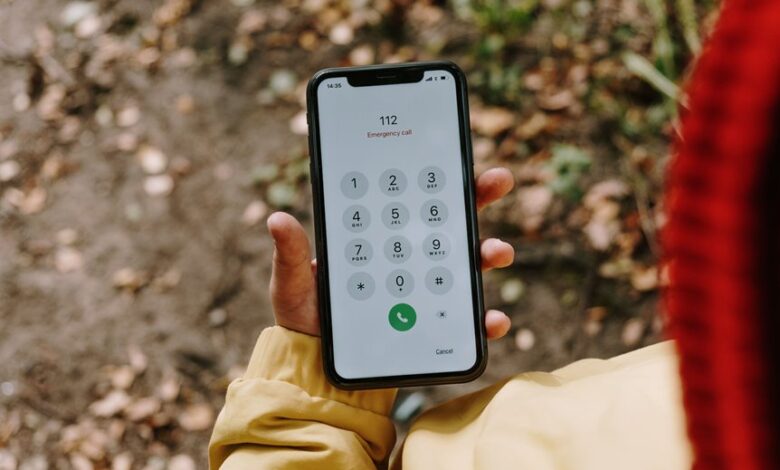
A caller number registry collects identifiers such as 713-332-2838, 514 375 2413, 8005433562, 3475353347, 3029242506, 8002762317, 2102424484, 7252934892, 9712734028, and 866-544-7927 along with timestamps, origins, and user notes. The goal is transparency, privacy, and governance to support pattern recognition and scam spotting. Yet questions remain about provenance, accuracy, and user control as stakeholders consider how to balance visibility with autonomy.
What a Caller Number Registry Is and Why It Matters
A caller number registry is a centralized database that records telephone numbers associated with inbound calls, including metadata such as timestamps, call origins, and identifiers. It functions as a reference for pattern recognition, enabling insights into caller behavior while preserving autonomy.
Privacy tools and scam indicators guide responsible use, balancing transparency with individual rights and resisting intrusive surveillance under evolving regulatory frameworks.
How Registries Surface Data for Each Number
Registries surface data for each number by aggregating inbound-call records, metadata, and contextual indicators from diverse data sources.
Data sourcing draws from telecom logs, app signals, and user-contributed notes to build a holistic profile.
The process emphasizes privacy safeguards, standardized validation, and transparent provenance, enabling cross-checks while maintaining user autonomy and minimizing unnecessary disclosure.
Precision-oriented, it remains aligned with freedom-focused information stewardship.
Using Registries to Protect Your Privacy and Spot Scams
The site health and accuracy of caller-number registries can directly influence privacy protections and scam detection. Registries enable individuals to cross-check numbers, reducing unsolicited contact while preserving autonomy.
Privacy preservation relies on transparent data governance and user-controlled visibility.
Effective scam detection emerges when registries surface reliable patterns, enabling quick risk assessment.
Users should value interoperable systems that respect rights and resist misleading entries.
Best Practices for Browsing, Verifying, and Trusting Registries
Navigating registries requires a disciplined approach: users should assess source credibility, data refresh cycles, and user controls before relying on listed numbers.
The analysis emphasizes privacy awareness and critical evaluation of entries, cross-checking with independent sources, and noting scam indicators.
Trust is earned through transparent provenance, regular audits, and clear error handling, ensuring informed choices without surrendering personal autonomy.
Frequently Asked Questions
How Accurate Are Caller ID Registries Over Time?
Caller ID accuracy over time shows gradual degradation due to data latency in registry data, updates lag behind real-world changes, and evolving telecommunication practices. Registry data latency challenges hinder precise, timely reflection of current caller identities.
Can Registries Reveal the Caller’s Physical Address?
Registries cannot reliably reveal a caller’s physical address. Caller ID privacy concerns persist, and registry accuracy varies; data often stems from voluntary submissions or third-party sources, not guaranteed, necessitating caution regarding targeted address inferences.
Do Registries Show Voicemail or Message Contents?
Voicemail legality limits access; registries generally do not disclose voicemail or message contents. Message privacy concerns persist, as carriers may protect content. Analytically, disclosure hinges on consent, warrants, and applicable data-protection statutes, balancing transparency with individual rights.
Are There Costs to Access Registry Data?
Access to registry data incurs varying costs, depending on provider licensing, usage volume, and intended purpose; fees may apply for data licensing, API access, and bulk downloads, reflecting caller privacy considerations and compliance obligations.
How Quickly Are New Numbers Added or Updated?
New numbers enter promptly as sources align, yet update frequency varies; accuracy over time improves with corroboration, though address disclosure and voicemail contents remain sensitive. Access costs influence availability; overall, updates balance speed and verification.
Conclusion
A caller number registry, when executed with rigor, becomes the ultimate truth machine for phone data, transforming chaotic signals into a coherent atlas of patterns. With precise provenance, timestamped salients, and user-controlled visibility, it reduces misidentification to a mere nuisance and catapults trust into orbit. Yet the system remains pragmatic: governance, audits, and cross-source verification keep it grounded. The result is a surprisingly reliable compass for privacy, scams, and informed decision-making in an era of ubiquitous calls.