How to Reduce Slip Risk on Steep Driveways and Walkways: Stop the Ice Before Gravity Takes Over

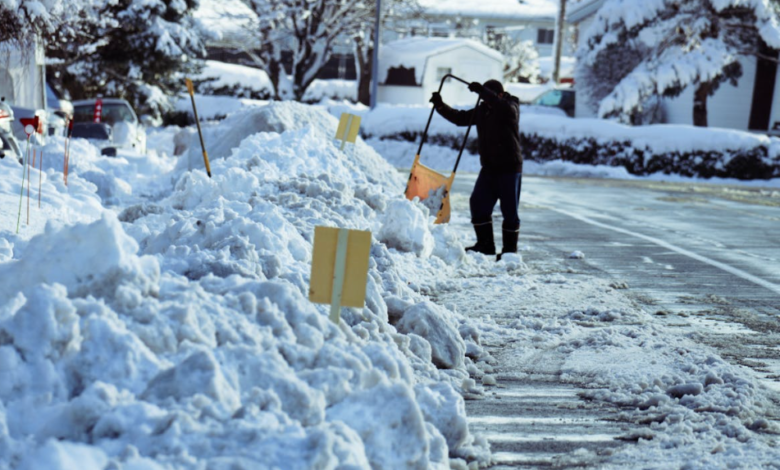
A Small Ice Patch Becomes a Bigger Problem on a Slope
A steep driveway or walkway does not need deep snow to become difficult to use. A thin film of ice, compacted slush, or meltwater crossing the grade can reduce traction exactly where people and vehicles already have less margin for error.
Snow Removal Expert’s property winter planning is relevant because slope changes what “finished” should mean. Fast clearing, modern equipment, 24/7 response, scheduled plans, safety-focused ice control, and clear pricing are most useful when the work accounts for drainage, surface condition, and overnight refreeze rather than stopping when visible snow is gone.
Start by walking the route before winter. Look for polished concrete, shaded sections, downspouts, low points, worn handrails, cracked pavement, and places where snow is normally piled. The goal is to understand how water and snow move across the slope before freezing weather makes those weaknesses harder to manage.
Fix the Surface and Drainage Before Winter
Planning winter service in Coquitlam should begin with the physical surface. Hillside neighbourhoods, shaded driveways, and sloped pedestrian routes can stay colder than nearby exposed pavement, while runoff may continue travelling downhill after the main clearing is complete.
Improve Grip Where the Surface Is Too Smooth
Surface texture matters year-round, but winter exposes its weaknesses. Smooth sealed concrete, polished stone, algae-covered paving, and worn coatings can become difficult when wet or icy.
Before the season, clean organic buildup and repair damaged areas. Where appropriate, consider a professionally selected textured coating, aggregate finish, or other traction-improving treatment that is compatible with the underlying surface and vehicle use. Avoid assuming that one anti-slip product is right for every driveway material.
Give Water Somewhere Else to Go
Drainage is often the more important improvement. Check trench drains, catch basins, swales, gutters, and downspouts. Water flowing across a steep driveway may freeze into a narrow band that is far more hazardous than evenly distributed snow.
Snow storage should also be planned around drainage. A pile placed above a walkway can create repeated meltwater across the route every sunny afternoon.
For properties needing broader professional snow and ice management, this drainage map should become part of the winter service plan rather than something crews discover after the first freeze.
Clear Early Before Traffic Builds a Hard Layer
Mechanical clearing works best before snow is compressed by tires or foot traffic.
On steep pavement, packed snow can become a smooth base that is difficult to scrape clean. Early clearing reduces the amount of material that must later be treated and helps expose drainage routes before they disappear under compacted accumulation.
Vehicle and pedestrian surfaces should also be treated differently. A truck-mounted plow may be appropriate for an open driveway, while stairs, narrow paths, landings, and areas around handrails may require smaller equipment or manual clearing.
Technique matters as much as equipment. Push snow toward predetermined storage areas rather than downhill across a walkway or into a drain. Avoid leaving a ridge at the bottom of the driveway where municipal plowing or repeated vehicle traffic can compress it further.
The target should be a usable surface with predictable traction, not simply pavement that looks mostly clear.
Use Handrails and Ice Control as a System
Handrails are not a substitute for clearing, but on steep walkways they provide an important additional point of stability.
Keep the Full Route Usable
Clear enough width for people to use the handrail without stepping onto piled snow or an untreated edge. Keep landings, stairs, transitions, and the area immediately beside the rail free from compacted snow.
Check that vegetation, stored items, or snow piles do not force users away from the safest line of travel.
Match De-Icer to Conditions and Surface
De-icing materials should be selected according to temperature, pavement type, surrounding landscaping, and the property’s maintenance plan. Applying more product is not automatically better.
Remove loose snow mechanically first where practical. Then use an appropriate material at an appropriate rate, paying attention to areas where water repeatedly returns.
Traction materials may also have a role when melting action is limited, but they still require follow-up. A treated slope can become slick again if new moisture reaches it or if the material is displaced by traffic.
The Dangerous Part May Start After the Snow Stops
One of the easiest mistakes is assuming that a cleared steep driveway is stable for the rest of the day.
Coquitlam’s municipal winter response gives added priority during icing and storm conditions to subzones containing a high percentage of local roads with grades above 10%. That is not a private-property service standard, but it illustrates how strongly grade can affect winter access decisions.
This is where local snow and ice planning for Coquitlam properties should include refreeze inspections. Recheck shaded sections, the bottom of slopes, garage thresholds, drainage crossings, stairs, and areas below snow piles as temperatures fall.
A daytime thaw can send a thin stream of water down the driveway. Once the sun disappears, that same flow path can freeze before surrounding pavement does.
Rapid re-service may therefore be justified even without new snowfall. The trigger is not always another centimetre of snow; it may be a surface that has become wet, polished, or newly frozen.
Build a Slope-Specific Winter Routine
A practical steep-surface plan combines several controls rather than relying on one product or one service visit.
Before winter, repair drainage problems, restore useful texture, inspect handrails, identify shaded zones, and choose safe snow-storage locations. During a storm, clear early enough to limit compaction and keep drainage openings visible. After clearing, apply the appropriate ice-control material where conditions require it.
Then inspect again.
Homeowners and property managers should pay particular attention to temperature changes, roof runoff, snow-pile melt, vehicle tracks, and any section that receives limited sunlight. Record recurring trouble spots so the next event can be handled more quickly.
Professional support becomes most valuable when a steep property cannot be managed reliably with a single manual clearing. Scheduled plans can establish priority areas before winter, while 24/7 response can address changing conditions after the initial service. Modern equipment helps with efficient clearing, but inspection and ice control remain essential because machinery cannot prevent water from refreezing later.
The strongest approach is layered: improve the surface, control the water, clear mechanically, preserve handrail access, use de-icer deliberately, and inspect for refreeze.
On a steep driveway or walkway, gravity magnifies small maintenance mistakes. Reducing slip risk means controlling the entire winter cycle—from the first snowfall to the last stream of meltwater that crosses the slope after the storm has passed.