Phone Contact Records: 8338388330, (424) 385-0597, 855-507-0298, 8006439241, 18336731919, 07482 878941, 2174510021, 800-923-9611, 6477941780 & 9052092772

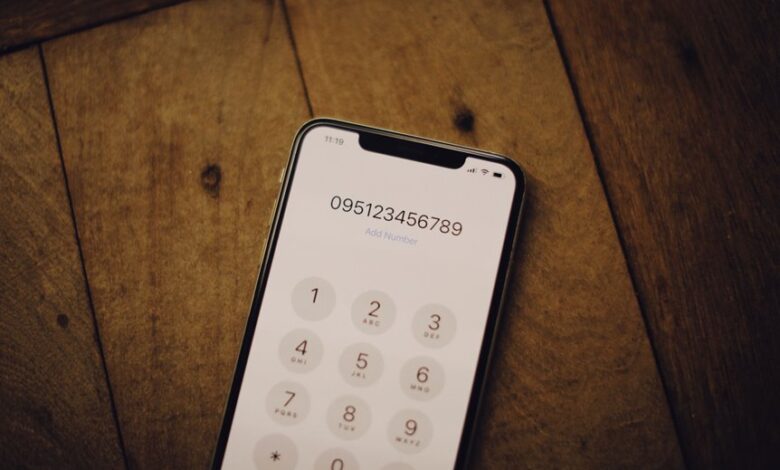
The list of phone contact records highlights outreach patterns and potential inconsistencies in caller identification. A data-driven approach clarifies how numbers are sourced, timestamped, and routed, enabling regulatory-aligned traceability. Unknown numbers require verification workflows and consent-based routing to protect privacy and maintain auditable logs. Red flags—unusual area codes, mismatched timestamps, or rapid-fire calls—demand documented escalation. The framework invites scrutiny of baselines, reconciliation processes, and governance practices that support compliant contact management and accountability.
What Phone Contact Records Reveal About Outreach Patterns
Phone contact records reveal patterns in outreach by highlighting frequency, timing, and reach across contacts.
The analysis emphasizes outreach patterns and contact analytics, detailing how contact attempts cluster by time zones, weekdays, and duration windows.
Regulators expect transparent, reproducible metrics; however, data remain subject to privacy safeguards.
Findings support freedom to engage while enforcing accountability and accurate, auditable reporting.
How to Verify the Legitimacy of Unknown Numbers
Unknown numbers pose verification challenges for regulated communications programs. The analysis emphasizes verification practices that rely on objective data sources, caller ID validation, and enrollment records. Compliance teams compare outbound outreach patterns with historical baselines, cross-checking databases for consistency. Results guide risk-based approvals, minimizing regulatory exposure while preserving legitimate outreach freedom. Documentation reinforces traceability, timing, and auditable decision trails for unknown-number interactions.
Red Flags in Contact Records and What They Mean
In the prior discussion on verifying unknown numbers, focus centered on objective data sources, caller ID validation, and enrollment records to support risk-based approvals.
Red flags in contact records indicate anomalous patterns: mismatched area codes, inconsistent time stamps, rapid number changes, and spoof indicators.
These signals relate to unrelated topic and off topic concepts, warranting regulatory review and disciplined data reconciliation.
Practical Steps to Manage Calls and Protect Your Privacy
Are consumers and organizations prepared to reduce exposure to unwanted calls while safeguarding personal information through standardized practices and regulatory-compliant controls?
The analysis outlines practical steps: implement privacy practices, enforce robust call management, leverage consent-based routing, adopt opt-out efficiencies, and document data handling. Regulatory alignment ensures traceability, auditability, and accountability, reducing risk while preserving user autonomy and freedom in communications.
Frequently Asked Questions
How Are Contact Records Stored Securely and Encrypted?
Secure storage and encryption standards protect contact records by applying data-at-rest and data-in-transit encryption, robust access controls, audit trails, and key management. Regulators demand verifiable controls, while users gain freedom through transparent, auditable data protection practices.
Can Contact Records Reveal Call Duration and Time Zones?
Time is money, and yes: contact records can reveal call duration and time zones, provided proper data governance. The data must be minimised, auditable, and compliant with privacy laws, enabling accurate reporting while protecting individuals’ rights and security.
Do Numbers in Lists Indicate Marketing vs. Personal Use?
Yes, numbers alone do not reveal intent; however, patterns in usage, timing, and consent records inform marketing practices and personal distinctions, with regulators emphasizing transparency, opt-in requirements, and robust data governance for all contact lists.
How Often Should Contact Records Be Reviewed for Accuracy?
“Strike while the iron is hot.” Review cadence should be quarterly to biannual, ensuring accuracy, with documented data retention policies guiding retention periods, deletions, and audits; results support regulatory compliance and data governance while preserving operational freedom.
What Laws Govern Recording and Sharing Call Data?
Recording and sharing call data are governed by applicable privacy and telecommunications laws, including consent and notice requirements. Organizations should conduct privacy audits and implement data minimization to reduce risk and ensure lawful data processing alignment with regulations.
Conclusion
Conclusion: In a data-driven world, the telephone ledger reads like a compliance manifesto—regulatory dashboards glow as numbers converge, verify, and flag. The irony is palpable: meticulous routing and consent-based audits aim to protect privacy, yet constant tracing invites ever-detailed scrutiny. As baselines are compared and IDs reconciled, outreach becomes transparent, auditable, and arguably, less personal. In short, better governance via precise metrics may ironically erode spontaneity, but it secures accountability and regulatory peace of mind.