Caller Information Lookup: 480 550 3294, 375295099999, 7188653518, 662340998, 5185521046, 513-707-6996, 9564602512, 3233725078, 7875221521 & 7147821698

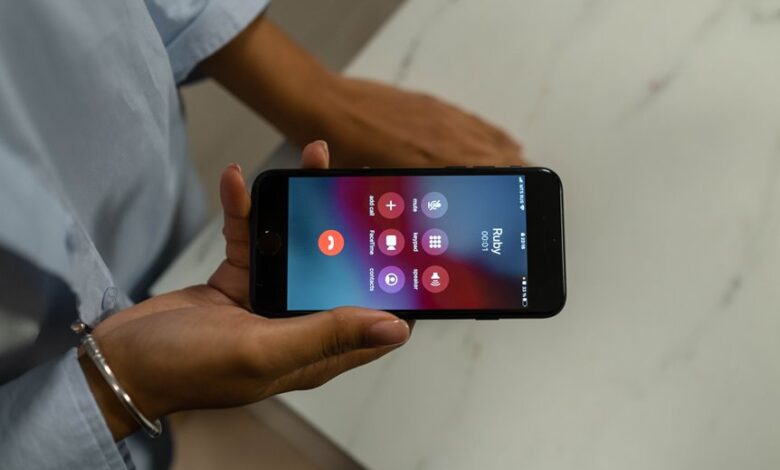
Caller information lookup combines data from caller ID databases, carrier records, and public sources to identify origins, ownership, and risk signals for numbers like those listed. The process emphasizes cross-source corroboration, provenance transparency, and privacy-by-design practices. It helps distinguish known versus unknown calls and flags potential warning signs. The topic invites careful evaluation of data reliability and consent considerations, inviting further examination of methods, limitations, and safeguards before acting on the results.
What Is Caller Information Lookup and How It Helps You
Caller information lookup is a process that identifies the origin and details of a phone call by querying caller ID databases, carrier records, and publicly available information.
The practice supports discernment of unknown calls, enabling informed decisions about call screening.
Emphasis rests on data reliability, reducing uncertainty while respecting privacy considerations within a freedom-minded framework.
How Lookup Data Is Gathered Across Sources and Carriers
Data for caller information lookup is compiled from a network of sources and carriers through a multi-layered process. The methodology aggregates data across data sources, validating entries against telecommunication records, public registries, and consented databases. Cross carrier collaboration improves accuracy, updating timestamps and ownership signals. Transparency remains essential, ensuring researchers understand provenance while preserving user privacy and minimizing misinformation risks.
Practical Steps to Evaluate Reliability and Spot Red Flags
Assessing the reliability of caller information requires a structured, evidence-based approach that isolates data quality indicators from subjective impressions. The process emphasizes cross sources, corroborating records, and transparent provenance. Key evaluation focuses include data reliability, traceable origin, and consistency across platforms. Red flags such as inconsistencies, unverified numbers, or anomalous metadata signal further scrutiny, while maintaining caller privacy.
Protecting Privacy While Staying Informed During Unknown Calls
Unknown calls present a privacy risk that necessitates careful balance between information gathering and protection of personal data.
The analysis emphasizes privacy considerations, emphasizing minimal data collection, consent, and purpose limitation.
Researchers should assess data provenance to verify sources and ensure traceability.
Practically, proactive disclosure, transparent data practices, and robust security measures bolster informed decision-making without compromising individual autonomy.
Frequently Asked Questions
Can I Trace a Call Location From Unknown Numbers?
Tracing a call location from unknown numbers is generally limited; phone networks obscure precise origins. The analysis emphasizes trace data and privacy safeguards, noting legal and ethical boundaries while advocating regulated, consent-based approaches for responsible tracking.
Are There Legal Limits to Looking up Caller Data?
Yes, legal limits exist. The analysis addresses privacy implications, location tracing, and call accuracy, debunking myths, while noting reporting abuse safeguards; the balance prioritizes consent, transparency, and lawful procedures over intrusive misuse.
How Accurate Is Caller Information Across Regions?
Caller data accuracy varies by region due to source diversity and reporting gaps; regional variation influences traceability limits, while myths about reverse lookup persist. Legal considerations shape data use; secure abuse reporting remains essential for accountability and reliability.
What Are Common Myths About Reverse Lookup Services?
Myth debunking shows reverse lookup services are not flawless; data accuracy varies by region and provider, and assumptions about universal precision are unfounded. Analysis reveals gaps, updates lag, and consumers should scrutinize source credibility and update cycles.
How Can I Report Abusive or Spam Calls Securely?
Reporting abusive or spam calls should be done through official reporting channels, preserving data privacy as a priority; parties may file with carriers, regulators, and consumer protection bodies, enabling traceability while maintaining secure, documented records for analysis and action.
Conclusion
Caller information lookup aggregates data from caller ID databases, carrier records, and public sources to identify origins, ownership, and risk signals. Cross-source corroboration and provenance transparency are key for reliability, while privacy-by-design and consent-aware practices protect user data. Users can distinguish known from unknown calls and spot red flags to inform screening decisions without unnecessary disclosure. Overall, robust lookups function like a compass, guiding informed choices amid uncertain calls while safeguarding privacy.