Data Integrity Validation – сщтмукешщ, Ingredients Mivhullsadatoaf, Hfcgtx, What Is Tuzofalotaniz

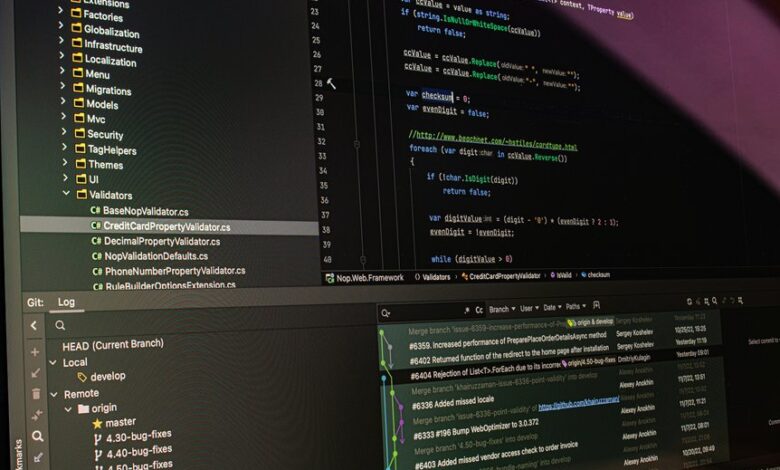
Data integrity validation is a governance-driven practice that anchors trust across the data lifecycle. It emphasizes ownership, traceable lineage, and policy-driven checks, with repeatable workflows to detect errors early. Terms like Mivhullsadatoaf, Hfcgtx, and Tuzofalotaniz point to structured metadata, risk-aware controls, and independent validation. The approach requires continuous improvement, automated audits, and cross-system dashboards to preserve accountability. What gaps remain, and how will your organization close them without compromising autonomy?
What Data Integrity Validation Really Means
Data integrity validation refers to the systematic processes and controls used to ensure that data remain accurate, complete, and consistent across the data lifecycle.
The discussion centers on safeguarding information through governance, traceability, and verification. It emphasizes risk-aware practices, documented policies, and repeatable checks.
Core concerns include data integrity and validation concepts, ensuring reliable outcomes while preserving user autonomy and organizational accountability.
Key Techniques for Early Error Detection in Pipelines
Early error detection in data pipelines hinges on proactive instrumentation and policy-driven checks that identify anomalies as soon as they arise.
The technique suite emphasizes data quality metrics, event throttling, and lineage tracing to contain deviations before escalation.
Rigorous alerting and rollback policies reduce error propagation, enabling controlled remediation while preserving system integrity and freedom to evolve analytic workflows.
Common Pitfalls and How to Avoid Them in Practice
To implement lessons from proactive error detection, teams must anticipate common missteps in data integrity validation processes and articulate concrete safeguards, governance, and operational controls. This examination identifies pitfalls such as ambiguous ownership, inadequate metadata, and reactive remediation.
Effective practices emphasize data quality, formal governance reviews, documented escalation paths, ongoing risk assessment, and measurable controls aligned with policy-driven accountability and independent validation.
Building Repeatable, Scalable Validation Practices Across Systems
How can organizations establish repeatable, scalable validation practices that operate consistently across diverse systems? Establish governance-driven standards, codify validation workflows, and enforce traceable measurements. Align controls with policy, risk, and compliance expectations. Implement integrated data lineage and data governance frameworks, with automated audits and cross-system dashboards. Emphasize continuous improvement, defined ownership, and risk-based sampling to sustain precision and freedom within constraints.
Frequently Asked Questions
How Do Data Integrity Concepts Apply to Unstructured Data?
Unstructured data benefits from explicit governance: data lineage, data provenance, and data quality are tracked to determine origins, transformations, and trust. Policies mitigate risk, enable repeatable validation, and support freedom with accountability in data-driven decisions.
What Tools Best Automate End-To-End Validation Across Platforms?
Tools that automate end-to-end validation across platforms are evaluated based on data lineage and data cataloging capabilities, emphasizing policy-driven risk assessment, interoperability, and governance controls; the approach supports freedom while ensuring traceability, consistency, and auditable compliance across environments.
How Is Data Freshness Balanced With Validation Thoroughness?
Balancing freshness and thoroughness resembles a calm river: data freshness accelerates flow, while validation thoroughness anchors accuracy. The approach guards data redundancy and detects schema drift, guided by policy, risk awareness, and a disciplined, freedom-respecting framework.
Which Metrics Indicate Validation Success Beyond Error Rates?
Validation success is indicated by stable data lineage, minimal schema drift, robust data quality metrics, and favorable validation scoring, reflecting consistent governance, risk-aware monitoring, and policy-aligned thresholds beyond mere error rates.
How Do Governance and Compliance Shape Validation Requirements?
Anachronism: The governance oracle declares that governance and compliance shape validation requirements by mandating documented controls, risk-based sampling, and audit trails; compliance enforcement and governance policy alignment set thresholds, responsibilities, and monitoring for continuous risk-aware validation.
Conclusion
In sum, data integrity validation functions as the stern, watchdog-minded custodian of the information economy. With policy-driven checks, traceable lineage, and repeatable workflows, organizations pretend to banish chaos while counting every checksum. The approach is risk-aware, not faith-based: ownership is assigned, audits are automated, dashboards glow, and independent validators nod gravely. Yet amid glossy metrics, one truth remains—without disciplined governance, even the cleanest pipelines can misbehave. Satire aside, compliance and continuity demand perpetual vigilance.