Phone Contact Investigation: 7752986285, 9046592410, 506-799-0051, 888-424-1636, 888 590 5962, 800-644-0864, 941610026, 2087193279, 9102163074 & 7164276200

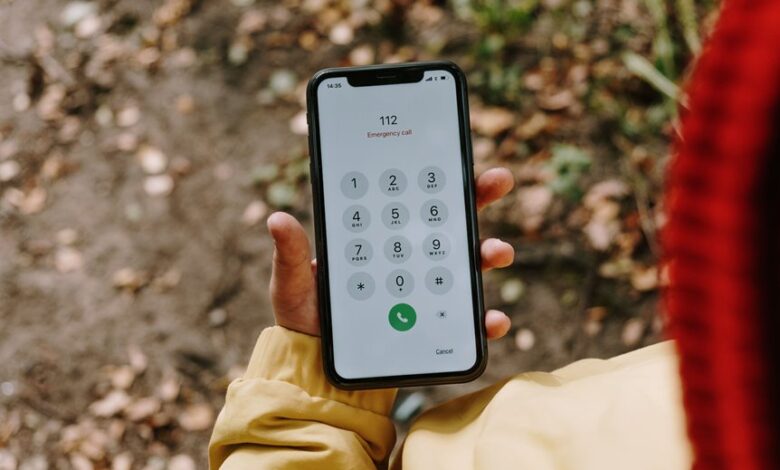
Phone contact investigation involves tracing specified numbers to uncover connections and assess potential exposures. It balances data minimization with transparent consent and accountable procedures. Analysts evaluate call patterns and metadata within legal bounds, document decisions, and use anonymization to minimize retention. Ethical constraints guide interpretation, preserving individual rights while pursuing public health goals. Safeguards and audits reinforce privacy. The process raises questions about scope, consent, and next steps, inviting careful discussion on how to proceed responsibly.
What Is a Phone Contact Investigation and Why It Matters
A phone contact investigation is a methodical process used to trace and verify individuals who may have come into contact with an infectious disease through telephone communication. It systematizes outreach, documentation, and risk assessment while safeguarding voluntary participation.
Privacy considerations shape data handling, and consent implications govern disclosure limits; outcomes balance public health goals with individual rights, ensuring transparent, accountable procedures and targeted follow-up actions.
Tracing Numbers: From Call Logs to Network Connections
In the context of phone contact investigations, tracing numbers moves from basic call-log redirection to mapping broader network connections.
Analysts assess call patterns, metadata, and public records to infer relationships while prioritizing privacy concerns, not exposing sensitive details.
Data minimization governs data collection, and ethical boundaries guide interpretation, ensuring results are accurate, lawful, and aligned with individual rights and oversight.
Tools, Techniques, and Ethical Boundaries in Investigations
Tools, techniques, and ethical boundaries in investigations require a clearly defined framework that balances effectiveness with respect for privacy and legal constraints. The approach emphasizes rigorous data minimization, targeted collection, and transparent justification. Analysts apply privacy ethics to avoid unnecessary intrusion, verify sources, and document decisions. Methodical scrutiny safeguards rights while delivering reliable outcomes through disciplined, risk-aware methodologies.
Practical Privacy Safeguards and What to Do Next
Practical privacy safeguards translate the established privacy-ethics framework into concrete, actionable steps for ongoing inquiries. The approach emphasizes minimal data collection, robust anonymization, and transparent consent trails to counter privacy erosion. Regular audits reduce data retention to what is strictly necessary, while secure storage and access controls protect identifiers.
Next, establish clear withdrawal procedures and documented data-handling policies.
Frequently Asked Questions
Can I Opt Out of Phone Contact Investigations?
An opt out is not guaranteed; procedures vary by jurisdiction and organization. The relevant decision points include opt out options and privacy implications, which demand careful review of applicable policies. The approach remains methodical, preserving individual freedom while documenting limitations.
How Long Are Investigation Logs Retained?
Investigation logs are retained per policy timelines and may be retrievable for auditing. Opt out options exist, though retention standards apply. Legal consent governs data processing; independence of records is maintained while honoring user freedom and regulatory compliance.
Do I Need Legal Consent to Trace Calls?
Consent requirements vary by jurisdiction; generally, notification from all parties or lawful authorization is needed to trace calls. The subject should understand data retention policies and comply with applicable privacy laws governing intercepts and investigations.
Which Jurisdictions Govern Call Tracing Ethics?
Call tracing ethics are governed by multiple jurisdictions, with jurisdictional governance centering on privacy, consent, and admissibility standards; researchers must respect applicable data protection and telecommunications laws across regions, ensuring transparent practices and lawful, proportionate tracing methodologies.
Can Data Be Shared With Third Parties?
Data sharing depends on jurisdiction and policy, requiring third party consent before disclosure. The entity must assess legality, necessity, and purpose, ensuring minimal data exposure; otherwise, sharing without consent risks legal and ethical consequences.
Conclusion
Conclusion (75 words):
A phone contact investigation distills vast call data into actionable public health steps while upholding privacy and consent. By tracing numbers only as needed, documenting decisions, and anonymizing data, investigators balance exposure control with individual rights. For example, in a hypothetical outbreak, a health authority uses only contact metadata to identify high-risk networks, notify contacts with clear withdrawal options, and securely purge redundant records after the required retention period. This disciplined approach preserves trust and effectiveness.