Reverse Caller Lookup Overview: 662992602, 934939900, 686357957, 630303019570, 600135184, 902157235, 912737006, 922990017, 918364458 & 983221500

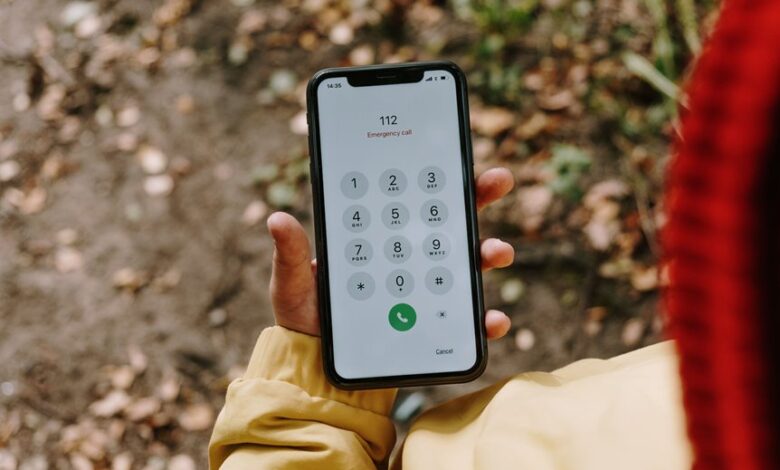
Reverse Caller Lookup aims to map each number to its source, using logs, public records, and user input to attribute calls to legitimate entities. The process weighs privacy, consent, and accuracy while filtering noise and flagging anomalies. For the cohort 662992602, 934939900, 686357957, 630303019570, 600135184, 902157235, 912737006, 922990017, 918364458, and 983221500, the approach blends data from multiple sources and transparent criteria to assess legitimacy. The results raise questions about reliability and accountability that warrant careful consideration as approaches evolve.
What Reverse Caller Lookup Is and Why It Matters
Reverse caller lookup is the process of identifying the origin of a telephone call using data beyond the displayed number. It systematically matches clues from logs, networks, and public records to reveal who contacted whom. This capability supports accountability and safety, yet raises concerns about data privacy, consent, and potential misuse. Clarity and limits guide responsible, lawful reverse lookup practices.
How Lookup Data Gets Collected and Used
Data for lookup is gathered from multiple, interoperable sources, then organized to support accurate attribution. Lookup data is collected through public records, carrier logs, and user-provided inputs, filtered for relevance, and stored with access controls. Used to map numbers to entities, it informs decision-making, blocking, and verification. Privacy considerations and data collection practices shape accuracy, accountability, and trust in results.
Spotting Red Flags in Unknown Calls and Numbers
Unknown calls and numbers warrant careful scrutiny as lookup data flows from multiple sources into attribution systems.
Red flags include unfamiliar area codes, inconsistent caller IDs, rapid call bursts, messaging attempts without context, and requests for personal data.
How to verify caller legitimacy relies on corroborating details and cross-checking sources.
Privacy conscious data sharing remains essential, especially when evaluating uncertain numbers.
A Practical, Privacy‑Respecting Verification Roadmap
A practical, privacy-respecting verification roadmap begins by outlining a disciplined, step-by-step process for assessing caller legitimacy without compromising individual privacy.
The approach emphasizes privacy preserving methods, minimal data collection, and transparent criteria.
It analyzes unknown calls and red flags using aggregated caller IDs, avoiding intrusive data practices.
A robust verification roadmap balances security with personal freedom and consent.
Frequently Asked Questions
Can I Reverse Lookup Without Sharing Personal Data?
Yes, but it requires consented, minimal data exposure and privacy-preserving methods; the practice hinges on privacy concerns and data minimization, ensuring identities aren’t revealed beyond necessity while still enabling legitimate verification and accountability.
Are Paid Reverse Lookup Services Trustworthy and Transparent?
“Forewarned is forearmed.” Paid reverse lookup services vary; some offer clear privacy guarantees and transparent data usage, while others obscure practices. Readers should evaluate disclosures, consent, retention, and third-party sharing before trusting such providers.
How Accurate Are Reverse Lookup Results Across Regions?
Accuracy varies; regional benchmarks show notable discrepancies. The analysis notes that accuracy benchmarks depend on data coverage, with regional privacy considerations shaping transparency and methodologies, yet some regions demonstrate robust results while others lag behind.
Do Reverse Lookups Reveal Call Transcripts or Messages?
Reverse lookups do not reveal call transcripts or messages; they map numbers to owners. The imagery suggests guarded vaults. However, transparency concerns and data minimization principles apply, guiding cautious, responsible use toward user autonomy and privacy.
What Are Legal Risks of Reverse Lookup in Business Contexts?
Legal risks include potential privacy violations and regulatory penalties if personal data is processed without lawful basis. It requires rigorous data minimization and ongoing legal compliance, with transparent practices to respect individuals’ rights and reduce exposure.
Conclusion
Reverse caller lookup combines logs, public records, and user input to attribute calls to legitimate sources, enhancing safety and accountability while safeguarding privacy. The process emphasizes filtering relevant data, cross-checking sources, and transparent criteria to flag legitimacy and potential red flags. An anecdote: a flagged unknown number eventually revealed a trusted vendor after corroborating data from multiple sources, illustrating how cross‑verification reduces false positives. When done carefully, lookup improves trust without overexposing private details.