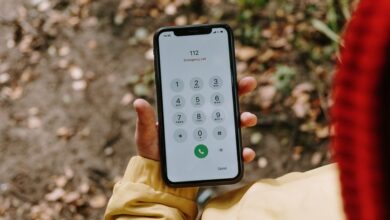
Reverse Phone Lookup Report: 666797040, 944850232, 66299, 5543675523, 931440605, 618693882, 917879741, 623449400, 935573500 & 932466522


A reverse phone lookup report for the listed numbers outlines publicly visible signals such as service provider cues, rough location at listing time, and whether lines are mobile or landline. It emphasizes cross-regional traceability, privacy safeguards, and objective signals relevant to trusted connections. The framework notes dynamic data and verifiable steps, while aiming to minimize exposure of private details. The discussion raises practical questions about risk and verification, inviting cautious consideration before proceeding with any contact.
What a Reverse Phone Lookup Can Reveal About These Numbers
A reverse phone lookup can reveal basic, publicly available details tied to a number, such as the service provider, location at the time of listing, and whether the line is mobile or landline.
The data highlights landline origins and caller patterns, offering context without exposing private data.
The focus remains precise, privacy-conscious, and aligned with a freedom-minded audience.
Then and Now: How to Trace Callers Across Regions and Carriers
Cross-regional tracing has evolved from static lookup results to dynamic, cross-carrier analysis, enabling clearer attribution of callers across jurisdictions and networks.
The method prioritizes privacy, leveraging anonymized signals and lawful access controls.
In practice, identifying regional carriers and tracing via databases support credible routing insights while respecting user rights, regulatory constraints, and transparent disclosure in investigations and compliance processes.
Evaluating Risk: Identifying Spam, Scams, and Trusted Contacts
Evaluating risk in phone number analytics requires a disciplined approach to distinguishing spam, scams, and trusted contacts.
The process emphasizes objective risk assessment and consistent criteria for caller verification, balancing transparency with privacy.
Analysts assess metadata, reputation signals, and user feedback while avoiding intrusive data.
Clear classifications empower users to make informed connections without compromising personal freedom.
Practical Steps to Protect Yourself and Verify Unknown Numbers
Practical steps to protect against unknown numbers begin by establishing a disciplined verification workflow, informed by prior risk assessments of spam, scams, and trusted contacts. A detached reviewer notes caution in assessment, not emotion. Verify via independent sources, log interactions, and respect user privacy.
Avoid unrelated topic, off topic ideas; focus on verifiable signals, consent, and minimal disclosure for freedom-loving readers.
Frequently Asked Questions
Are These Numbers Connected to a Single Organization or Individual?
The records suggest no single organization or individual controls all numbers; they resemble dispersed usage patterns. In symbol, a mosaic of factions. Regarding location privacy and data accuracy, limits exist, urging cautious interpretation and independent verification.
Can the Numbers Be Traced to a Specific Country of Origin?
The numbers cannot be conclusively traced to a single country of origin; results may vary. They may reflect mobile, VoIP, or landline registrations, with unrelated topics and off topic discussions complicating precise geolocation for privacy-conscious observers.
Do Reverse Lookups Reveal Owner Names or Addresses Publicly?
Reverse lookups do not publicly reveal owner names or addresses. They raise owner privacy concerns, face data accuracy and verification challenges, and should be treated as potentially unrelated topics when assessing personal information and consent.
How Reliable Are Third-Party Lookup Services for Mobile Numbers?
Third-person observers note: reliability varies; one anecdote shows success, yet Unverified databases abound. Third-party mobile lookups are fallible, with privacy implications clear, data drift, outdated records, and cautious use required for those who value freedom.
What Steps Protect Privacy When Performing Lookups on Strangers?
Privacy safeguards include limiting data exposure, exercising data minimization, and demanding explicit consent disclosures; individuals should assess misrepresentation risk and ensure purpose limitation, transparency, and lawful use before performing lookups on strangers.
Conclusion
Reverse phone lookup yields a concise, privacy-conscious snapshot: identifiers and carrier cues illuminate origin without exposing private data. In a world of roaring signals and shifting regional footprints, these traces offer practical, verifiable context for trusted contacts while curbing overexposure. The result is a meticulously cautious map—exaggerated in its clarity yet restrained in detail—guiding prudent verification, risk assessment, and protective action for unknown callers. A hyper-efficient, privacy-respecting beacon in the noise.