Telephone Contact Lookup: 415 504 9135, 1914290924, 5405549003, 447333211, 18663540567, 250-387-2727, 8103685070, 8885095442, 5109278013 & 425-635-2970

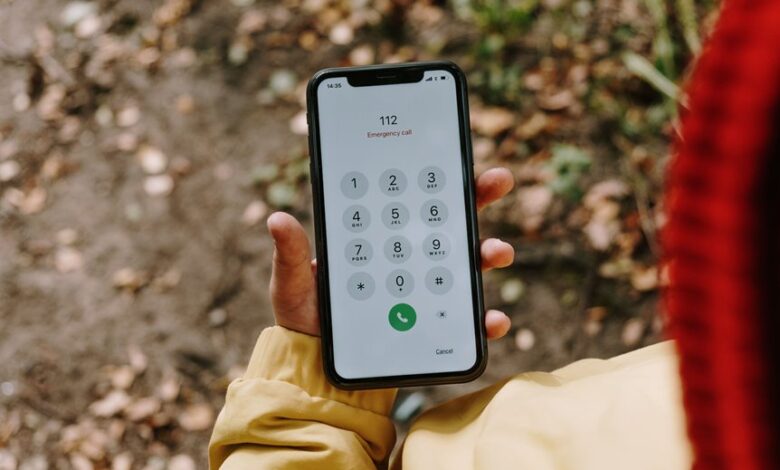
A careful discussion of telephone contact lookup centers on identifying callers while respecting privacy. The approach relies on consent, data minimization, and transparent sources to provide context without exposing sensitive details. Verification hinges on provenance, authentication, and user-controlled disclosure. Stakeholders weigh legitimate need against risk of misidentification. The challenge is to balance usefulness with privacy safeguards, leaving room for further examination of methods, standards, and governance. The next step invites consideration of practical, responsible strategies.
What Is Telephone Contact Lookup and Why It Matters
Telephone contact lookup refers to the process of identifying or confirming a phone number’s owner, history, or associated contact details using publicly available or licensed data sources.
In sensitive contexts, it emphasizes privacy aware practices and minimal data exposure, balancing transparency with consent.
It supports identity verification while guarding against misuse, promoting compliant, cautious approaches that respect user autonomy and freedoms.
How to Verify Caller Identities Step by Step
Verifying caller identities is a stepwise process that emphasizes accuracy, consent, and data minimization. In a privacy-conscious frame, the reader considers verification as careful validation, not baggage. Each check aligns with identity context and purpose. Stakeholders pursue transparent disclosures, robust authentication, and consent records. The approach favors minimal data sharing while confirming legitimacy, reducing misidentification risks through disciplined caller verification practices.
Tools and Methods to Uncover Context Behind Numbers
To uncover context behind numbers, a privacy-conscious approach combines lookup tools with clear purpose limitation and consent handling. Tools emphasize contextual signals from public records, vendor databases, and user-reported metadata, while safeguards ensure minimal data exposure. Researchers weigh privacy considerations, limit collection, and document provenance, enabling responsible interpretation without intrusion. Transparency, auditability, and consent-oriented workflows guide contextual analyses.
Safe, Privacy-M Minded Practices for Responsible Lookups
Could safeguards truly balance usefulness with privacy in lookup routines? The text outlines privacy practices that emphasize consent, minimization, and transparent data handling. It advocates strict purpose limitation, secure storage, and auditable access controls. Responsible lookups require disclosure of data sources and user rights, ensuring compliance without compromising freedom. A cautious, rights-respecting approach safeguards trust while enabling informed, lawful inquiries.
Frequently Asked Questions
Can You Reveal the Owner of Each Number Above?
The owner information for those numbers cannot be disclosed here. The requester is advised to respect reassignment ethics and data minimization, pursuing privacy-conscious, compliant avenues. Freedom-minded inquiry remains possible within lawful, transparent data-protection practices.
How Accurate Are Reverse Lookup Results for Numbers Listed?
Reverse lookup accuracy varies; results fluctuate with data sources and updates. Privacy implications and data accuracy considerations are central, urging cautious use. The freedom-seeking audience deserves transparent methods, regular verification, and limits on sensitive personal disclosures.
Do Legal Restrictions Limit Who Can Perform Lookups?
Yes. Legal restrictions govern who may perform lookups, emphasizing consent requirements, privacy implications, and data sources. Service providers weigh data accuracy, anonymity vs traceability, and fraud indicators against robocall risks and spoofing detection.
Can Lookups Be Performed Anonymously or Traceably?
Anonymous lookups raise traceability concerns: they may compromise anonymity policies, yet traceable methods exist with consent and legal restrictions. Privacy-conscious practices emphasize consent requirements, caller ID spoofing risks, reverse lookup accuracy, data sources, scam indicators, and owner disclosures.
What Are Common Red Flags From Suspicious Numbers?
Red flag indicators include urgent requests, unverifiable numbers, oddvoicemail, pressure tactics, odd caller ID, and requests for personal data. Caller verification protocols are essential; pause, confirm identity, and document interactions to preserve privacy and security.
Conclusion
In a cautious, privacy-minded frame, the article concludes like a careful mapfold: numbers lie in shadow, contexts unfold like quiet rooms. The lookout remains steady—sources transparent, consent explicit, data minimized. Verification is a lighthouse, not a spotlight, guiding legitimate need without exposing private tides. Tools serve truth, not intrusion, while provenance stays visible and trusted. With restraint, practitioners disambiguate meaning, balancing usefulness and dignity, so callers and owners share space without overstepping invisible boundaries.