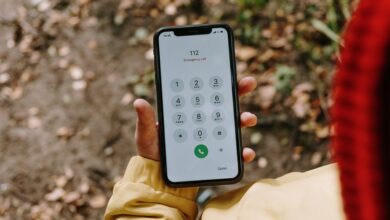
Unknown Phone Lookup Guide: 40004, 934953540, 976094194, 972375597, 915250195, 881550906, 911118249, 22344641, 964881312 & 934599559


Unknown phone numbers can signal spoofing, misrouting, or test signals rather than legitimate contacts. The guide proposes neutral verification steps, cross-checking public data, and documenting actions to preserve auditability. It emphasizes privacy, avoiding personal disclosures, and relying on multiple sources. Findings should be provisional, anomalies flagged, and suspicious outreach terminated with records kept for safety and compliance. The topic invites further examination of concrete methods and real-world safeguards. This prompts a closer look at practical workflows and risk controls.
What Unknown Numbers Like 40004 and 934953540 Could Mean
Unknown numbers such as 40004 and 934953540 can arise from a variety of sources, including caller ID spoofing, short codes, or automated systems.
The message remains that patterns may reflect unrelated topics or off topic ideas contaminating data streams. Analysts, maintaining detachment, summarize possibilities: marketing blips, service tests, or misrouted communications, with emphasis on clarity, precision, and freedom from needless speculation.
How to Verify Unknown Callers Safely Step by Step
To verify unknown callers safely, one starts with clear identification steps and objective checks, building on the understanding that numbers may originate from spoofing, service tests, or misrouted communications.
The process emphasizes verify caller safety through documented verification actions, cross-referencing publicly available data, and respecting privacy considerations while avoiding sharing unnecessary personal details or engaging in risky interactions.
Practical Methods to Identify Legitimate Contacts vs Scammers
Practical methods to distinguish legitimate contacts from scammers rely on a structured evaluation of caller information, message content, and behavioral patterns. Unknown numbers prompt cautious contact verification steps, such as cross-checking official sources and asking for verifiable details. Look for scam indicators within requests, avoid sharing sensitive data, and maintain safety privacy by documenting contact history and terminating suspicious outreach.
Tools, Red Flags, and Privacy When Doing a Lookup
Tools, red flags, and privacy considerations in performing a lookup center on using specialized search utilities, recognizing warning signs, and safeguarding personal information. The analysis emphasizes privacy tips and caller verification as core safeguards, highlighting transparent data sources, minimal data sharing, and auditable steps. Vigilance includes avoiding overreliance on single sources, verifying results through multiple checks, and preserving user autonomy and freedom.
Frequently Asked Questions
Can I Trace These Numbers Without Consent?
Tracing numbers without consent is generally inappropriate; legality varies, and traceability ethics emphasize obtaining proper authorization. Consent requirements and legal avenues exist, necessitating lawful procedures, auditing, and respect for privacy while balancing safety and accountability.
Are These Numbers Associated With My Region?
Yes, these numbers may reflect regional relevance, but data accuracy varies; lookup sources differ, consent tracing remains uncertain, and blocking numbers could alter results. The approach weighs regional relevance, data accuracy, and consent considerations for lookup.
How Accurate Are Reverse Lookup Results?
How accurate are reverse lookup results? They vary; generally, how reverse lookup accuracy depends on data source reliability. Analysts note that data source reliability shapes confidence, while archiving gaps and phone-number changes can reduce precision over time.
What Data Sources Do Lookup Tools Use?
Data sources include public records, carrier metadata, user-contributed data, and aggregated datasets. Data privacy and consent requirements govern collection, sharing, and retention, with transparency goals and risk assessments guiding how lookup tools disclose origin and scope.
Can I Block Numbers From Lookup Results?
Yes, one can block numbers from lookup results. The practice involves privacy controls and opt-out settings, balancing block privacy with consent limitations, data retention, and provider policies while preserving usable search effectiveness for freedom-oriented users.
Conclusion
Unknown numbers like 40004 and the others may signal spoofed, misrouted, or test signals rather than legitimate contacts. A cautious, stepwise approach—cross-checking public data, documenting actions, and flagging anomalies—helps maintain privacy and compliance. The process should be auditable and provisional, with suspicious outreach terminated. Objection: “We must act quickly.” Counter: prudent verification prevents harm and preserves trust, and thorough records enable safe, traceable decisions if issues arise.