Most property owners think about their roof only when there is a visible leak or obvious storm damage. Unfortunately, waiting until problems become visible can lead to far more expensive repairs and avoidable structural issues. Roofing systems are constantly exposed to changing weather conditions, temperature shifts, moisture, and debris accumulation, all of which gradually weaken materials over time.
Seasonal roof inspections offer a practical way to identify early signs of wear before they develop into major concerns. Whether for residential homes or commercial buildings, routine evaluations can improve roof performance, extend material lifespan, and reduce long-term maintenance costs.
Roofing Systems Face Year-Round Stress
A roof functions as the first line of defense against environmental exposure. Every season introduces unique challenges that affect roofing materials differently.
Spring Moisture and Drainage Problems
After colder months, spring often reveals hidden winter damage. Melting moisture, clogged gutters, and standing water can expose weaknesses that developed during colder temperatures. Even small drainage problems may allow water to seep beneath roofing layers.
See also: Smart Choices: Key Factors to Consider Before Picking a GMAT Prep Course Online
Summer Heat and UV Exposure
Prolonged sunlight can gradually dry out roofing materials. Asphalt shingles may become brittle, sealants can crack, and flashing may weaken under constant expansion and contraction caused by heat.
Autumn Debris Accumulation
Leaves, branches, and dirt buildup can trap moisture against roofing surfaces. Blocked gutters prevent proper water flow and increase the risk of pooling.
Winter Temperature Fluctuations
Cold temperatures can create expansion and contraction cycles that stress roofing systems. Moisture that freezes and thaws repeatedly may widen small cracks and create hidden structural damage.
Because roofs are exposed to all these conditions continuously, even durable systems benefit from regular inspections and preventive maintenance.
Small Roofing Issues Rarely Stay Small
One of the biggest misconceptions about roofing problems is that minor damage can safely wait. In reality, roofing issues often spread faster than expected because water intrusion affects multiple building components simultaneously.
A small leak may eventually damage:
- Insulation
- Ceiling materials
- Interior walls
- Electrical systems
- Wood framing
- Flooring surfaces
By the time water stains appear indoors, moisture may already have caused extensive hidden deterioration beneath the roof surface.
Routine inspections help property owners detect vulnerabilities before secondary damage occurs.
Preventive Maintenance Can Reduce Long-Term Costs
Roof replacement is one of the largest maintenance expenses many property owners face. While no roof lasts forever, proactive maintenance can significantly delay the need for major replacement projects.
Preventive care often includes:
- Replacing damaged shingles
- Resealing flashing
- Cleaning drainage systems
- Removing debris
- Addressing minor leaks
- Checking ventilation systems
These smaller maintenance tasks are usually far more affordable than emergency repairs following severe structural damage.
Consistent maintenance also improves overall roofing efficiency. Well-maintained roofing systems help regulate indoor temperatures more effectively, which may contribute to lower heating and cooling costs throughout the year.
The Role of Professional Roof Evaluations
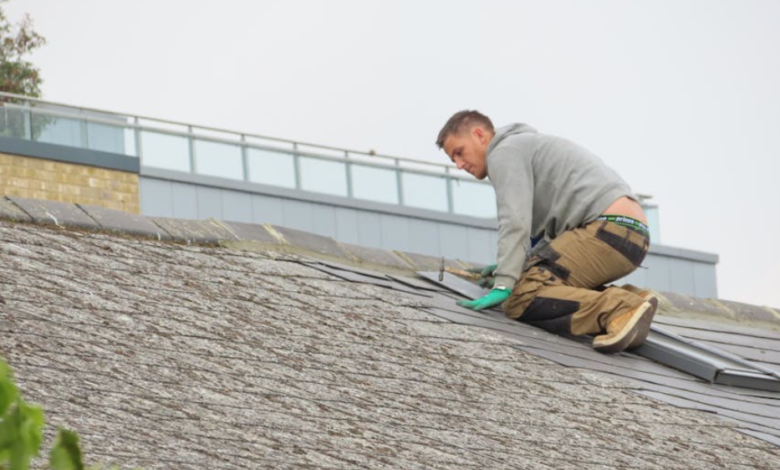
While property owners can occasionally spot visible damage from the ground, many roofing issues require closer inspection by trained professionals. Certain forms of deterioration may remain hidden until significant problems develop.
Professional evaluations typically examine:
Roofing Materials
Inspectors assess shingles, tiles, metal panels, or membrane systems for wear, cracking, curling, or displacement.
Flashing and Seals
Areas around chimneys, vents, skylights, and roof edges are common locations for moisture intrusion.
Structural Integrity
Inspectors may identify sagging sections, weakened decking, or ventilation concerns that affect long-term performance.
Drainage Systems
Gutters and downspouts play a major role in protecting roofing systems from water accumulation.
Property owners looking to better understand roofing maintenance practices and system care can review additional roofing information at idealprecisionroofing.com/.
Warning Signs That Should Never Be Ignored
Some roofing issues require immediate attention because they may indicate active structural problems. Recognizing these warning signs early can help minimize repair costs.
Common indicators include:
- Water stains on ceilings or walls
- Missing or curling shingles
- Sagging roof sections
- Mold or mildew growth near the attic
- Persistent drafts or insulation problems
- Granules collecting in gutters
- Visible sunlight entering attic spaces
Ignoring these symptoms can allow damage to spread throughout the property.
Roof Maintenance Helps Preserve Property Value
Roof condition significantly influences overall property value. Potential buyers often view roofing problems as a sign of deferred maintenance, which can affect negotiations and inspection outcomes.
A properly maintained roof demonstrates responsible ownership and reduces concerns about future repair expenses. In commercial settings, roofing reliability is especially important because unexpected failures can interrupt business operations and create liability concerns.
Regular inspections also create documentation that may prove useful during insurance claims or property transactions.
Different Roofing Materials Require Different Care
Not all roofing systems age the same way. Maintenance schedules and inspection priorities often depend on the type of materials installed.
Asphalt Shingles
These roofs are common due to affordability and durability, but they remain vulnerable to wind damage and UV deterioration.
Metal Roofing
Metal roofs typically last longer but still require inspections for fastener loosening, corrosion, and flashing wear.
Flat Roofing Systems
Flat roofs demand careful drainage management because standing water can accelerate deterioration.
Tile Roofing
Tile systems resist many weather conditions effectively but may crack under impact or shifting structural conditions.
Understanding the specific needs of a roofing system allows property owners to make more informed maintenance decisions.
Consistent Attention Prevents Bigger Problems
Roofing systems quietly protect buildings every day, yet they often receive little attention until damage becomes unavoidable. Seasonal inspections provide a simple but effective strategy for identifying problems early, reducing repair costs, and extending roof lifespan.
Property owners who prioritize preventive maintenance are generally better positioned to avoid emergency repairs and preserve long-term building value. Even small maintenance efforts can have a substantial impact over time.
Rather than waiting for visible leaks or severe weather damage, a proactive roofing approach helps ensure continued protection, improved efficiency, and greater peace of mind throughout the year.