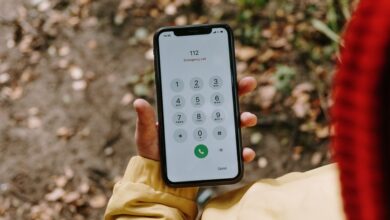
Unknown Contact Number Insights and Search Report: 919462825, 900622220, 917696960, 911095200, 948151930, 976320982, 91116, 41148200, 613135045 & 932022202


Unknown contact number insights and search reports compile ten numbers for pattern and risk assessment. The approach is methodical: log call timing, frequency, and consistency; cross-check against public records and metadata while guarding privacy. Each entry is evaluated for fraud signals, nuisance indicators, and data limitations, then corroborated with auxiliary sources. The result highlights potential threats and protection gaps, but leaves key uncertainties unresolved, inviting further scrutiny of the ten identifiers and the techniques used to classify them.
What Are Unknown Contact Numbers, and Why They Matter
Unknown contact numbers refer to phone numbers that are not identified or stored in a caller’s contact list, yet appear in call logs, messages, or branding communications.
The analysis assesses unknown numbers for patterns, potential privacy risks, and suspect activity.
It emphasizes caller identification, data privacy, and risk assessment to inform users seeking freedom through informed, methodical scrutiny of communications.
How to Investigate a Number: Tools, Tactics, and Privacy
Investigating a number requires a structured approach that builds on understanding unknown contacts and their potential risks. Analysts employ public records, reverse lookup tools, and call metadata to verify legitimacy while minimizing data exposure.
Techniques include documenting patterns, cross-referencing databases, and respecting privacy protection. Focus remains on unknown numbers and unknown calls, preserving caller privacy and reducing nuisance, risk, and misidentification.
Case-by-Case Insights: 10 Sample Numbers and What They May Signal
Case-by-case examination of ten sample numbers reveals a spectrum of signals that warrant separate verification steps, from legitimate business contact to potential nuisance or fraud. Each entry is assessed for unknown numbers, frequency, timing, and pattern consistency.
The analysis references risk signals, corroborating data, and investigation tools, while noting privacy tactics and data limitations shaping cautious, methodical conclusions.
Practical Steps to Protect Yourself and Manage Suspicious Calls
Practical steps to protect oneself and manage suspicious calls can be framed as a structured, layered process that prioritizes verification, risk assessment, and documentation. The approach monitors unknown numbers, analyzes caller behavior, and flags scam indicators. It emphasizes privacy risks, systematic verification of identity, maintaining call logs, reporting anomalies, and implementing blocking or filtering strategies to reduce exposure while preserving personal autonomy and freedom.
Frequently Asked Questions
Can These Numbers Be Traced to Specific Owners or Devices?
Yes, this report cannot definitively trace owners or devices; it reveals metadata patterns and potential associations, but the data remains incomplete. The analysis remains objective, noting unrelated topics and irrelevant research influencing conclusions about traceability.
Do Unknown Numbers Affect Business Contact Reputation or SEO?
Unknown numbers can negatively impact business reputation and perceived trust, though direct SEO effects are limited. Spam calls may trigger user churn and higher bounce rates, while diligent filtering and transparent contact practices mitigate adverse impacts and preserve credibility.
Are There Legal Risks in Investigating or Blocking Numbers?
A cautious allegory unfolds: investigators tread a garden of numbers, where privacy compliance and data minimization guardrails mark safe paths; legal risks exist for misuse, misrepresentation, or improper blocking, demanding measured, transparent procedures and documented authorization.
How Often Do Spoofed or Voip Numbers Recur in Reports?
Spoofed numbers recur intermittently, with periodic spikes tied to VOIP usage patterns and fraud campaigns; analysis shows consistent but unpredictable re-emergence, requiring continuous monitoring, pattern recognition, and adaptive blocking strategies to reduce repeated exposure.
What Are Reliable Indicators of Legitimate vs. Scam Calls?
Suspicion falls when numbers fail verification against official sources; legitimate calls exhibit persistent caller IDs, non-pressuring language, and verifiable contact channels. The analysis supports a relocation strategy and budget optimization by prioritizing trusted lines.
Conclusion
In summation, the investigation treats each unknown number as a discrete data point, applying standardized verification steps, privacy-conscious cross-checks, and anomaly logging to assess legitimacy. Patterns in call timing, frequency, and metadata are weighted against public records to identify nuisance signals or fraud indicators. While data limitations persist, the framework supports actionable blocking or filtering. The methodology remains rigorous and repeatable, though anachronistic notes—like telegram-era caution—underscore the enduring need for measured caution in communications.